
What Is Epoxy Pipe Lining?
In older Texas homes and commercial buildings, from Austin to San Marcos and New Braunfels, the pipes running under your slab often outlast their useful life long before you notice a problem. Cast iron and galvanized lines corrode from the inside, and by the time you spot a slow drain or a damp spot, the pipe underneath may already be cracked. Digging up a foundation or a finished floor to reach it was the only fix. Epoxy pipe lining changed that. It lets us repair a failing pipe from the inside, with far less mess than traditional replacement.
How Epoxy Pipe Lining Works
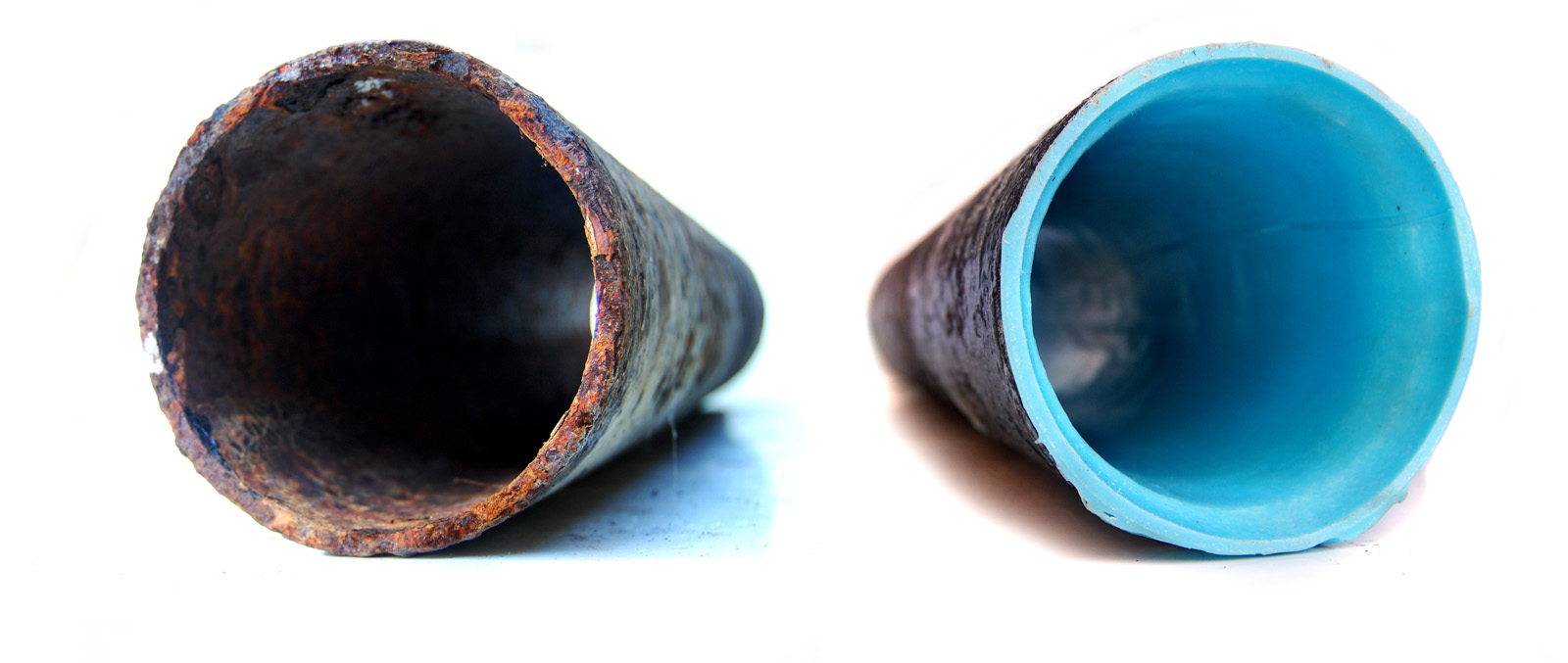
Epoxy pipe lining, also known as CIPP pipe lining (cured-in-place pipe), rehabilitates a damaged pipe without removing it. Instead of tearing out the old line, we clean it and build a new one inside it.
The process starts with a video camera inspection to confirm the pipe can support a liner. Next, the interior is cleaned to remove scale, corrosion, and debris so the epoxy can bond. A flexible liner coated in epoxy resin is then fed through an existing access point and expanded against the pipe walls. Once the epoxy cures, it forms a smooth, jointless pipe within your old one. A final camera inspection confirms the repair. Because the work is done through existing access points, trenchless pipe lining avoids the demolition required by conventional repair.
Are your pipes a candidate for lining?
Accurate Leak and Line offers free quotes across the Austin area, including San Marcos and New Braunfels. Call to schedule a camera inspection and get a clear diagnosis before you commit to any repair.
Epoxy Pipe Lining vs. Traditional Pipe Replacement
Traditional pipe replacement means excavating the yard or cutting into a slab to reach the damaged line, then rebuilding whatever was torn up. Epoxy pipe lining is applied through existing access points, so most of your property stays intact. Here is how the two compare.
| Factor | Epoxy Pipe Lining | Traditional Pipe Replacement |
|---|---|---|
| Excavation | Minimal; uses existing access points | Extensive digging or slab cutting |
| Property disruption | Low; floors, walls, and landscaping stay in place | High; surfaces are opened, then rebuilt |
| Downtime | Shorter | Longer |
| Restoration work | Little to none | Landscaping and finishes must be repaired |
| Best fit | Corroded or cracked pipes still sound enough to hold a liner | Collapsed or severely deformed pipes |
Lining is not the right answer for every pipe. A line that has fully collapsed or lost its shape cannot support a liner, and those cases still call for trenchless pipe replacement or conventional dig-and-replace work. The camera inspection indicates which path best fits your system.
When Trenchless Pipe Lining Makes Sense
Lining is a strong fit when a pipe is corroded, leaking, or cracked but still structurally intact. It is widely used for trenchless sewer pipe repair, where digging up a main line would otherwise mean tearing up a yard, driveway, or finished floor. It also works well in occupied commercial buildings, where every hour of downtime has a cost.
Another trenchless method, pipe bursting, pulls a new pipe through the path of the old one while breaking the old pipe apart. It suits lines that are too far gone to line but where full excavation still is not practical. Epoxy lining and pipe bursting address different problems, which is why a proper diagnosis is essential before any trenchless pipe repair begins.
Common Questions About Epoxy Pipe Lining
Need Trenchless Pipe Repair?
Epoxy pipe lining gives Texas property owners a way to fix aging pipes without turning a repair into a renovation. If you think your home or business may have a failing line, a diagnostic inspection is the place to start. Contact Accurate Leak today!