
Is Old Cast Iron Plumbing Making Your Texas Home Unsafe?
Drive through older neighborhoods in Houston, Dallas, Fort Worth, Austin, or San Antonio, and many of the homes you pass were built when cast iron drain lines were standard. Those pipes sit under the slab, out of sight, in soil that swings between soaked and bone dry. Most of the time, old cast iron isn’t an emergency. But when it starts to fail, the problems it causes can reach your foundation and even the air inside your home.
Here’s what to know!
Does Your Texas Home Have Old Cast Iron Pipes?
Cast iron was a standard material for drain and sewer lines for much of the 20th century, so your home’s age is the first clue. Homes built before the 1980s, and plenty built during that decade, often still have cast iron carrying waste out from under the slab, especially if the plumbing has never been replaced.
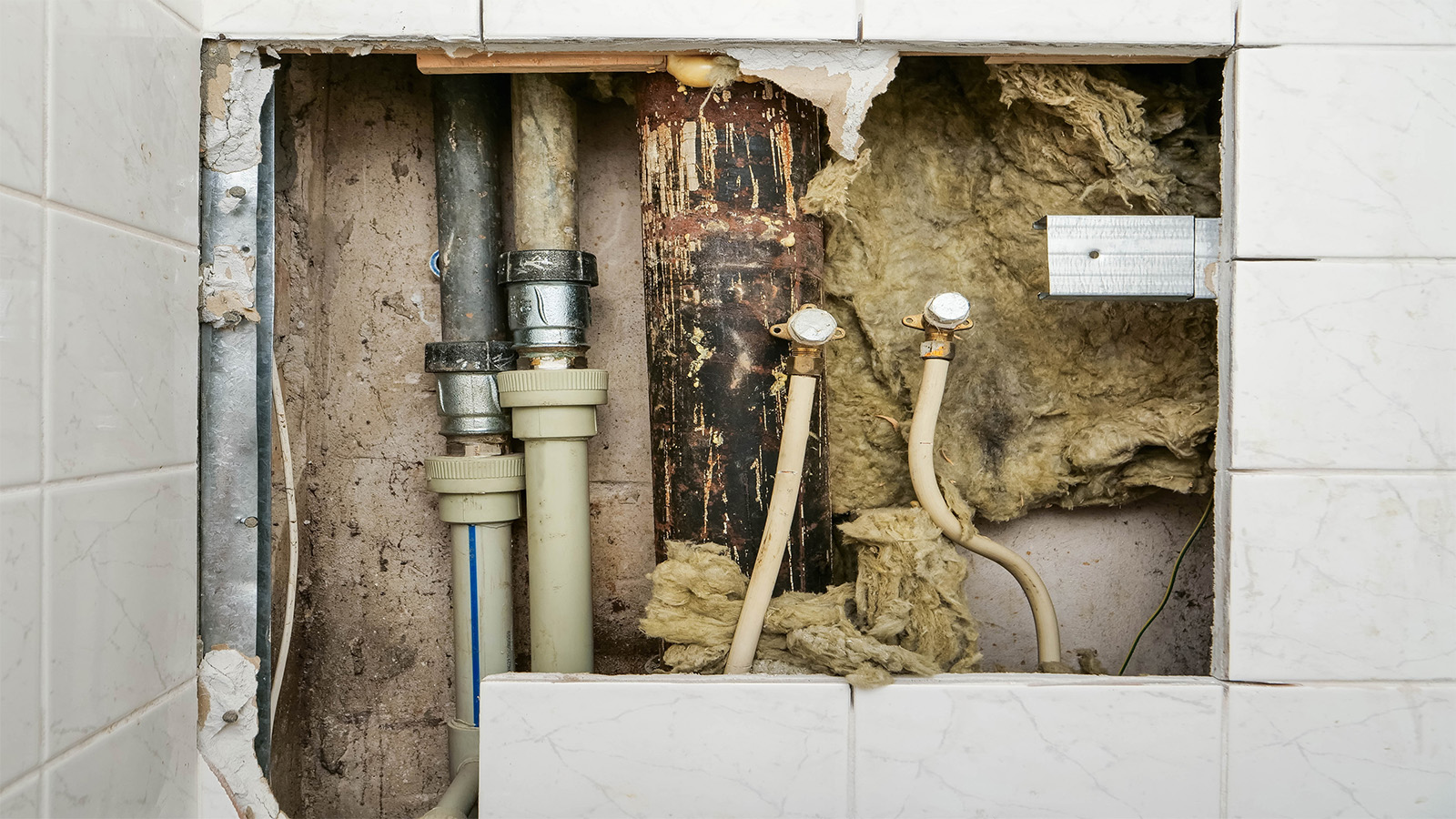
You can sometimes spot it yourself. Look in the garage or under a sink for heavy, dark pipe that’s thicker than plastic, often with rust staining. The catch is that most of the system runs beneath your foundation, where nobody can see it. A video camera inspection lets a plumber see the condition of that buried pipe directly, without digging.
How Long Do Cast Iron Pipes Last?
Cast iron pipes wear out, and many systems installed decades ago are now at or past the end of their expected service life. How fast a particular line breaks down depends on how it was installed, how it’s been used, and the soil around it. That’s why a camera inspection tells you more than your home’s age alone.
Texas soil doesn’t help. Water and waste wear the pipe down from the inside, while moisture in the soil works on it from the outside. Pipe walls thin, joints deteriorate, and cracks form. Tree roots searching for water can then widen those cracks.
If you’re already noticing slow drains, recurring backups, or sewer odors, our post on the 10 signs you need to replace your cast iron plumbing walks through the warning signs in detail.
Cast Iron Plumbing Health Risks to Take Seriously
So, is old cast iron making your home unsafe? Usually not right away. It can, however, create conditions that affect your health and your home if they’re left alone.
Sewer Gas
Cracked or corroded drain lines can let sewer gas escape into living spaces. The Wisconsin Department of Health Services notes that sewer gas can get into a home through cracks in the foundation, and that even low levels of hydrogen sulfide (the gas behind that rotten-egg smell) can irritate the eyes and respiratory system. The smell usually shows up at low levels, so treat a sewer odor that keeps coming back as an early warning. One caution: at high concentrations, hydrogen sulfide can dull your sense of smell, so a strong odor that suddenly fades isn’t a sign the problem is gone. If the smell is ever strong, get everyone outside and call the fire department.
Mold From Hidden Leaks
The EPA notes that mold produces allergens and can cause health problems, and fixing leaky plumbing quickly is a core prevention step. A slow leak from an old cast iron line under the flooring can go unnoticed long enough for mold to take hold.
Foundation and Structural Damage
Much of Texas sits on expansive clay that swells when it gets wet and shrinks as it dries, and engineering research has long linked that movement to damage in the structures above it. A leaking sewer line under the slab adds moisture in exactly the wrong place, which can contribute to foundation movement, cracked walls, and doors that start to stick.
Not sure what’s happening under your slab? Accurate Leak & Line uses camera inspections and pressure testing to find the problem before anyone starts digging.
Request a free quote to get started.
When to Replace Cast Iron Pipes (and When You Don’t Have To)
Not every old system needs to come out. The right fix depends on how much of the pipe is damaged and whether what’s left is still sound. Here’s how the main options compare.
| Option | What It Fixes | Best For | Disruption |
|---|---|---|---|
| Spot repair | A single crack or leak in one section of pipe | Isolated damage on a line that’s otherwise in good shape; often a short-term fix on aging cast iron, since nearby sections tend to fail next | Varies, since the damaged section has to be reached |
| Epoxy pipe lining (trenchless) | Cracks, corrosion, and deteriorated joints, sealed from the inside to create a pipe within a pipe | Pipe that’s still sound enough to support a liner, confirmed by camera inspection | Low, installed through existing access points |
| Rerouting | Bypasses a damaged section by running a new line around it | Damage concentrated under the home’s interior | Moderate, with most digging done outside the home |
| Full replacement | The entire system, replaced with new PVC or cast iron pipe | Widespread corrosion or repeated failures | Highest, though tunneling and external methods limit interior damage |
Trenchless pipe repair with epoxy lining works well when the existing pipe is still solid enough to support a liner, which is why the camera inspection comes first. When corrosion is widespread, replacement is often the more practical long-term choice.
When replacement is the answer, Accurate Leak & Line can often reroute lines outside the home or tunnel beneath the foundation, which limits damage to floors and finished interiors.
How Accurate Leak & Line Finds the Problem First
Every job starts with diagnostics, not demolition. Our licensed master plumbers run a video camera inspection to assess the line’s condition, then use hydrostatic pressure testing or static leak isolation testing to confirm leak locations. From there, we’ll walk you through whether lining, rerouting, or replacement makes sense for your home.
With locations across Texas, including Houston, Dallas, Fort Worth, Arlington, Austin, and San Antonio, our team serves older neighborhoods in and around each of those areas.
Frequently Asked Questions
Should I be worried about a sewer smell in my house?
Take it seriously, but don’t panic. The cause could be as simple as a dry drain trap or as serious as a cracked line under the slab, so a recurring smell is worth having inspected.
Can pipes be relined instead of replaced?
Often, yes. Epoxy pipe lining creates a new pipe inside the existing one and can seal cracks and deteriorated joints without digging up your floors. The original pipe must be sound enough to hold the liner, which a camera inspection confirms.
Find Out What’s Under Your Slab
Old cast iron doesn’t have to be a mystery. Whether you’re seeing warning signs or want peace of mind, request a quote from Accurate Leak & Line and let our team take a look.